Our Advocacy
PECA's work spans the courts, Parliament, the United Nations and communities across Aotearoa. Below is our current advocacy, our formal complaint to the United Nations, and the latest articles and updates and reports from ourselves and our members
NZ pay equity rollback triggers United Nations complaint
A formal complaint has been lodged with the United Nations, asking it to investigate whether the Government's changes to New Zealand's pay equity laws amount to systemic discrimination against women.
The complaint, brought by the Pay Equity Coalition Aotearoa (PECA) together with the New Zealand Council of Trade Unions and Te Kāhui Tika Tangata Human Rights Commission, comes exactly one year after legislation cancelled existing pay equity claims and introduced stricter tests for bringing new ones.
Pay equity claims exist to ensure people receive equal pay for work of equal value. The cancelled claims covered more than 180,000 workers — the vast majority women — across care and disability support, education, health, and community and social services. The changes compounded disadvantage for wāhine Māori, Pacific women, migrant women, disabled women and older women workers, who already face the largest pay gaps with men;
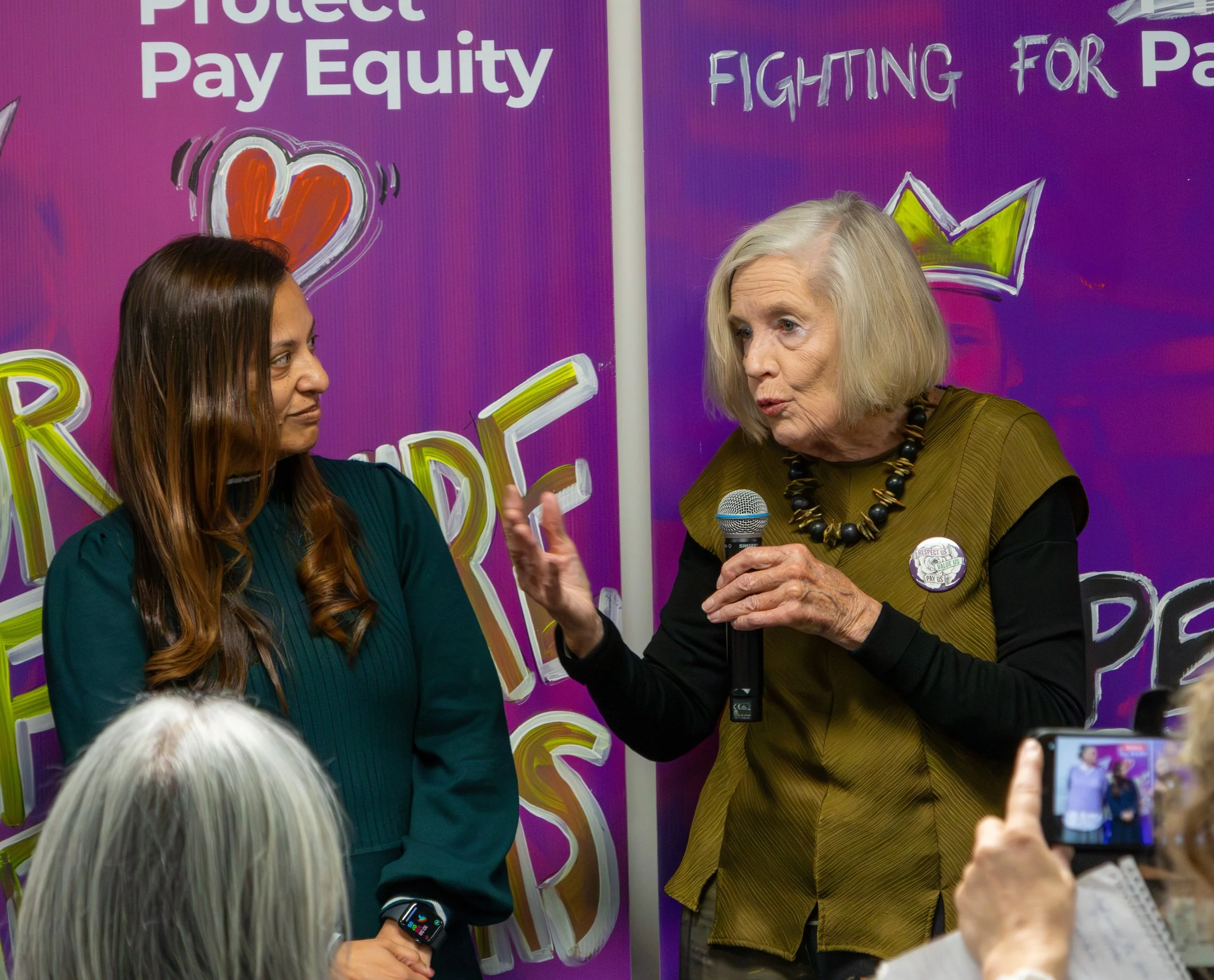
"These are roles that have been chronically undervalued for decades. A year on, workers are no closer to justice. The law change has created a system that is much harder to access or work with — one where the thresholds and controls now make it extremely difficult for claims to proceed." — Dame Judy McGregor, PECA spokesperson
Many of the affected sectors are publicly funded or directly employed by the state.
"The Government was not only the law-maker — it was also the largest employer affected by these claims. That raises serious questions about fairness when the rules are changed in a way that removes claims involving its own workforce," says Dame Judy McGregor.
"This isn't about one claim or one sector. It's about whether the law itself now creates a system that structurally disadvantages women," says Melissa Ansell-Bridges, Secretary of the NZ Council of Trade Unions.
The complaint asks the United Nations to consider whether the legislative changes have created systemic discrimination against women, particularly around equality in employment and equal pay for work of equal value — both protected under the Convention on the Elimination of All Forms of Discrimination Against Women (CEDAW), to which New Zealand is a signatory. It is filed under the Optional Protocol to CEDAW, the mechanism that allows the United Nations to investigate serious or systemic discrimination against women.
"The amendments made last year undermined the right to pay equity. Introduced without any consultation, they reversed decades of progress and made it significantly harder to address structural undervaluation of workers in female-dominated occupations," says Professor Gail Pacheco, Equal Employment Opportunities Commissioner at the Human Rights Commission.
Mel Burgess, a teacher and NZEI Te Riu Roa member affected by the cancelled claims, described the impact: "Like women everywhere, I just felt blindsided. We had been going for eight years by that stage for the early childhood claim."
The United Nations will first assess whether the complaint is admissible. If accepted, it will be sent to the New Zealand Government for a response, and the CEDAW Committee will consider the case and issue its views and recommendations.
"This is no longer just a domestic policy debate. It raises serious questions about whether the law now enables state-sponsored discrimination against women, and what that means for New Zealand's commitment to fairness and human rights," says Dame Judy McGregor.
Source: PECA media release, 6 May 2026.
IN THE MEDIA
Women’s Day of Action
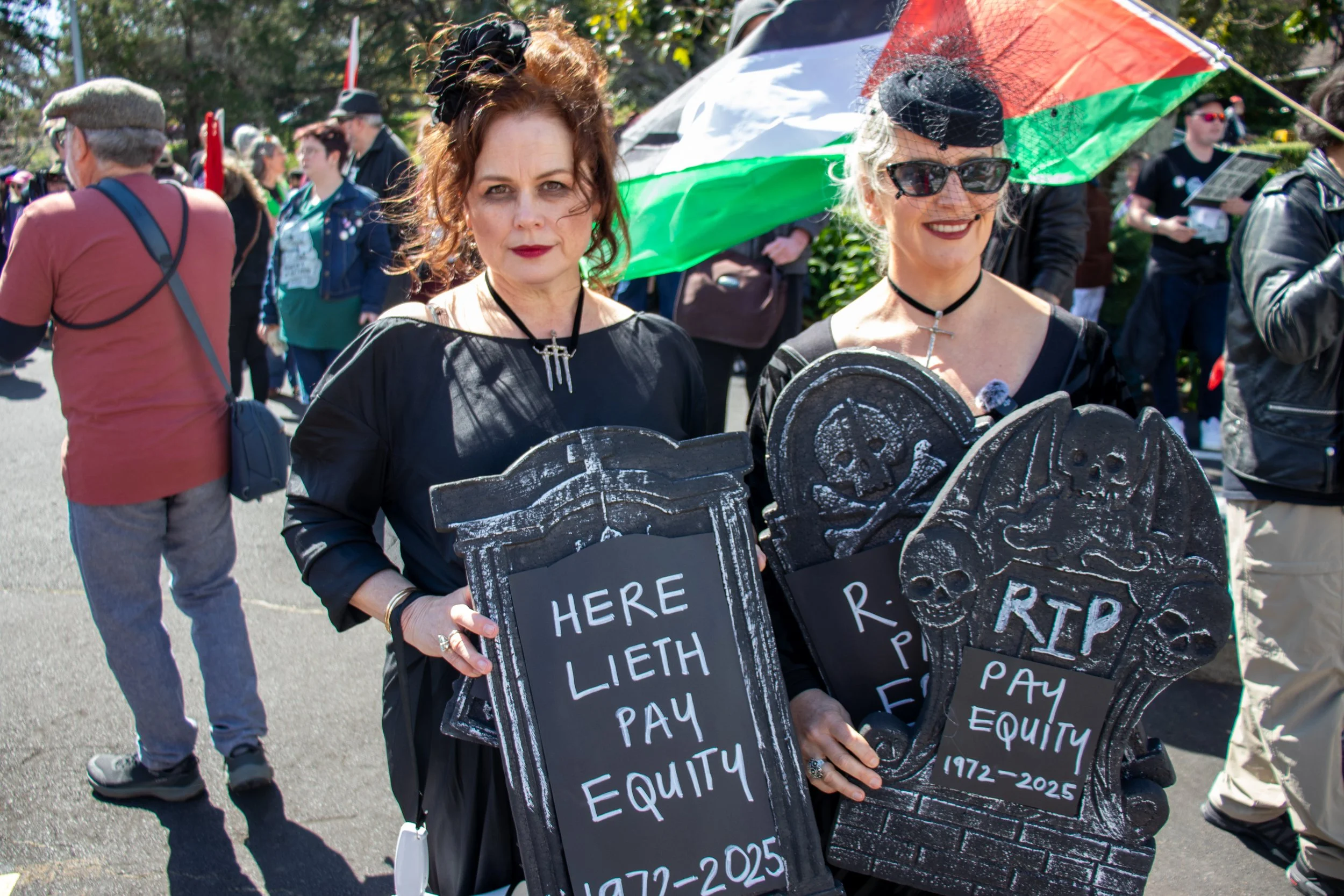
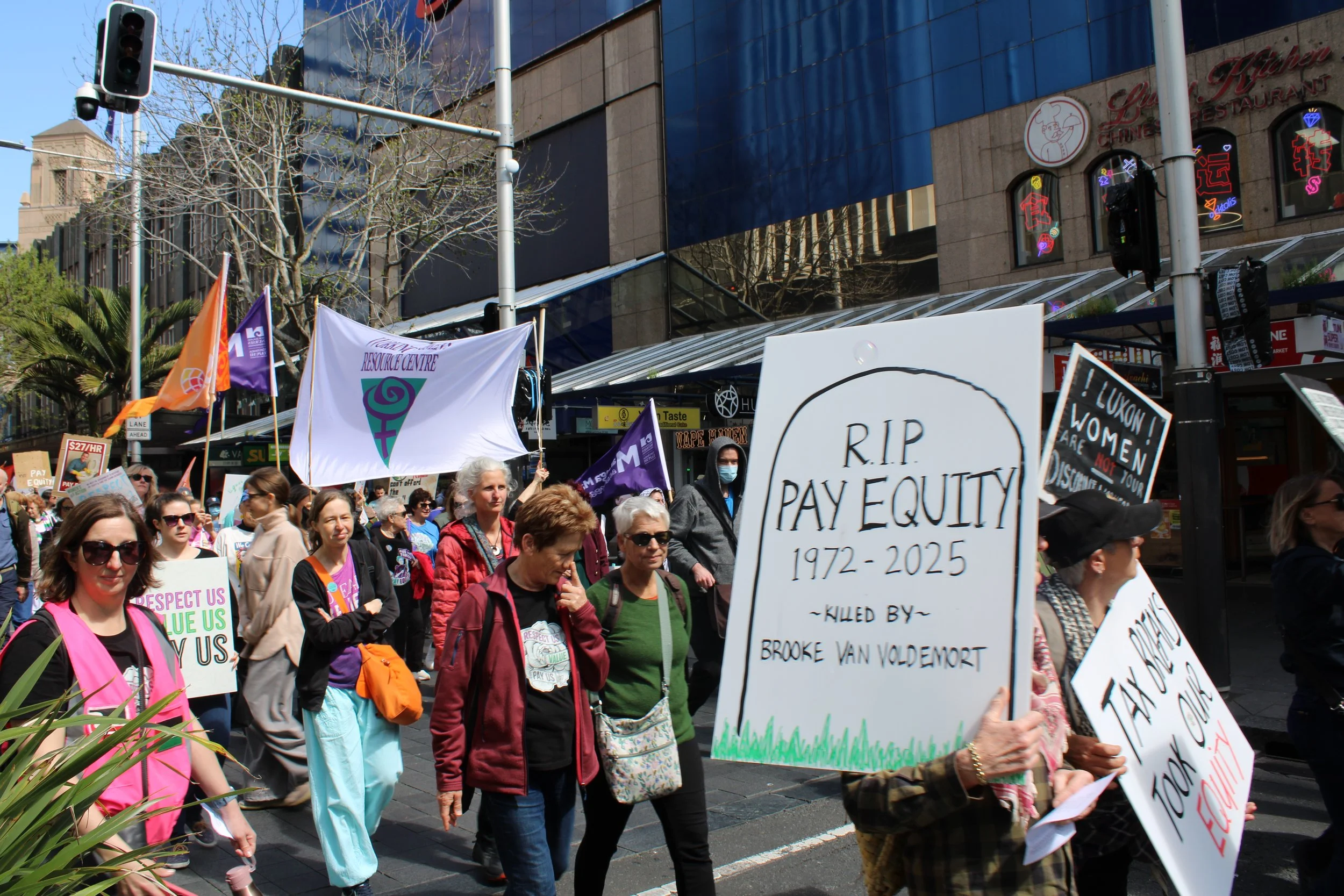
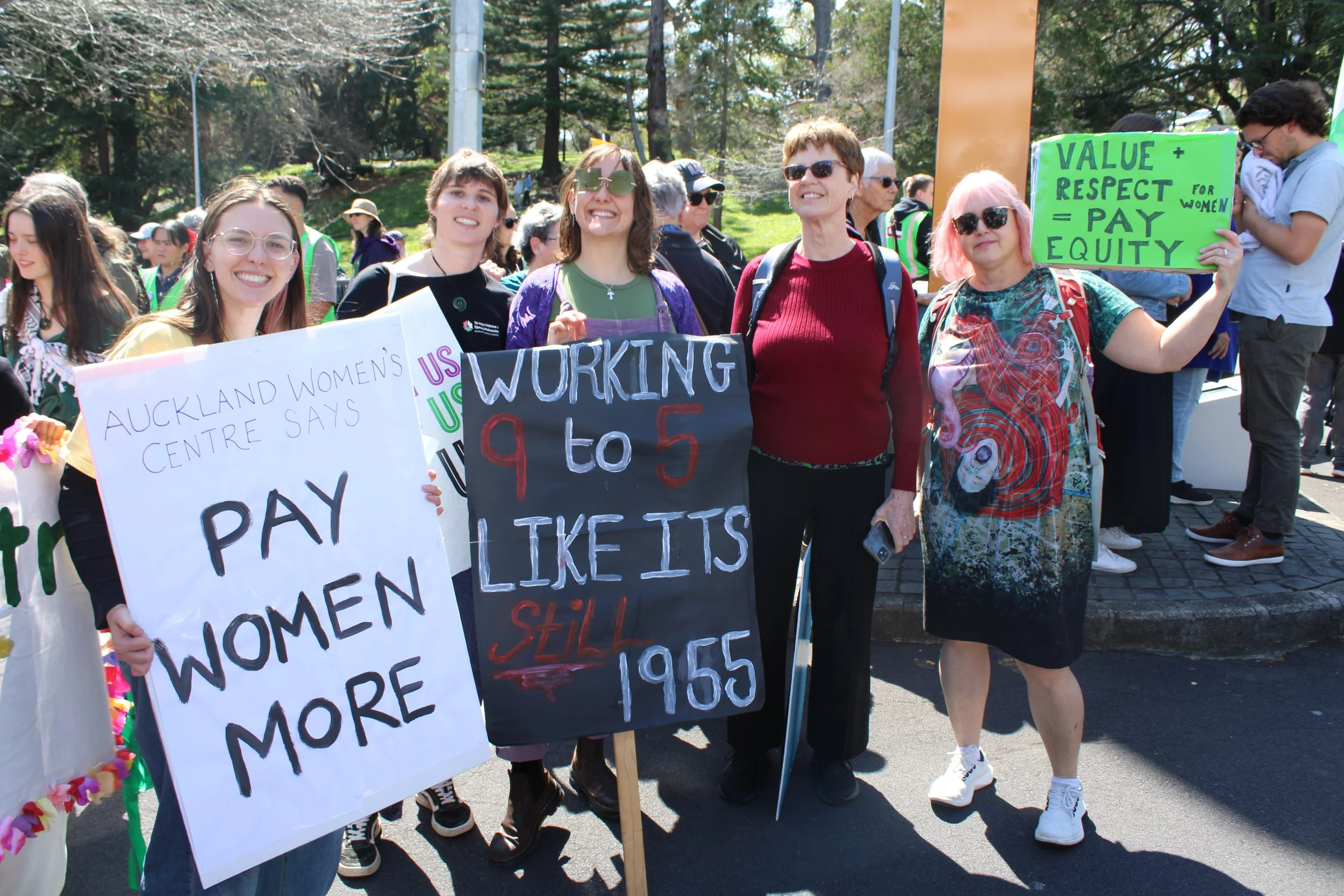
On 20 September 2025 more than 20 events took place nationwide as part of Women's Day of Action, repurposing the suffrage anniversary as a day of protest, celebration and community organising for pay equity.
The day called for the restoration of pay equity legislation that the Government had gutted, with organisers' message that pay equity is not optional and workers' livelihoods should not be on the political chopping block.
Marches, community gatherings, rallies, picnics and market stalls were held across both islands in solidarity with workers who had lost Pay Equity